
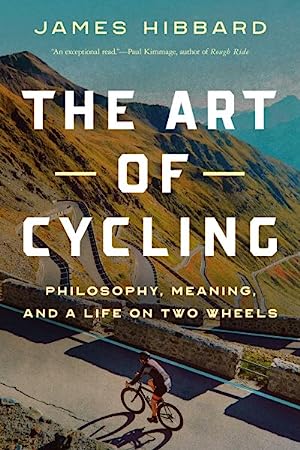
“Things rarely teach you what you imagine they will but that’s not to say that their lessons are without value. There is no seeing around or over or through.
Things merely are.” (193)
“The story of modern life is the slow but relentless spread of the all-devouring logic of capitalism. At first, only things were commodified; later the logic of markets and progress spread into art and culture, until finally it became our very attention which was being bought and sold. Measured by clicks and likes, we flee from ourselves, but these hidden places–reclaimed by the sustained silence of so-called boredom–are nothing less than the mystery of life itself, and as we approach the northern edge of Big Sur, the world once again grows enigmatic.” (229)
“Derived from the Greek, the word analysis literally means to loosen or tear apart, and while this way of seeing the world as a discrete set of problems can be fruitful, it can also introduce a sort of conceptual feedback which hinders the instinctual spontaneity required to be an athlete. And, as my improvement stalled and my disenchantment with Western philosophy increased, I began to wonder more and more about those who approached cycling not a series of problems to be overcome, but as a state to be attained.” […]
“From the symphony violinist, to the race car driver, to the archer, among the most skillful at any activity there is always graceful ease which occurs as a result of conscious will and intellect stepping aside.” (260)
“Less and less do I believe in being great at anything–in notions of being smarter, stronger, or better. On a long enough timeline, any success turns into its own sort of failure. All that matters is small and near–pulsing against the backbeat of its own finitude…” (267)
James Hibbard, The Art Of Cycling (2023)

 brettworks
Leave a comment