
(Photo: Drazen Nesic)
Many music production tools steer us towards perfection. With a click we load a sample with immaculate verisimilitude to a real instrument, auto tune errant vocal pitches by cents or semitones, quantize a shaky drum hit to the nearest sixteenth note or downbeat safe haven, loop a phrase to exactly four measures, or limit the life out of a mix so it never ever clips. The problem with such production moves is that they’re unmusical: they suck the life out of our musical gestures. You don’t want perfection. You want imperfection. But how do you achieve it?
The best way to imperfection is to stay loose, free, and nimble for as much of the music production process as possible. (Maybe this is an everyday life goal too?) You want to leave things undefined–not quite knowing what you’re doing or where you’re headed–for as long as is practical to do so. In terms of practice, a way to compose music that has life to it is to preserve the imperfections that are inherent in the processes of improvising and recording. Don’t auto tune the vocal, leave the errant drumming unquantized, and if you must use loops, use odd length ones that will surprise you if they ever line up. We can think of imperfections as the quirks of your unique experience, the Oops!, Oh what’s that?, and I wonder if…? moments that change the direction of making music. Imperfections are everywhere in these processes, but you need recognize them when they arise, embrace them, and fold them into the work. Ideally imperfections are what your music is about.
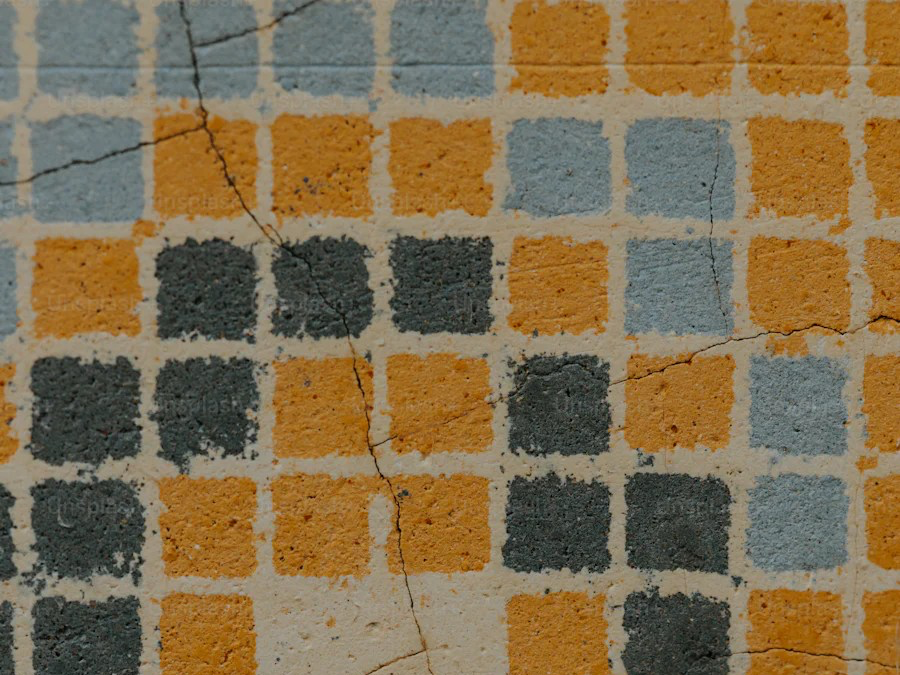
Imperfections are significant because they’re ruptures in our everyday way of doing things and opportunities for thinking differently about what we thought we were trying to do. Leonard Cohen frames a similar idea. He famously spoke of cracks like this: “Everything has a crack in it; that’s how the light gets in.” In music making, imperfections are the cracks in experience you thought you were avoiding but are in fact pursuing.
We can also add imperfections to sounds at any point in the production process to amplify their inherent grit, texture, patina, and grain. There are many software plug-ins designed to degrade sound—from simple amp simulator distortions to effects that emulate the lossy sound of bad MP3s, spotty cell phone connections, and corroded magnetic tape. (One of my plug-ins has a switch to select among Regular, Chrome, and Metal bias cassette tapes, as well as different levels of wear.) Used subtly, these effects can bring immense “vibe” to a sound in the form of artifacts and nonlinearities. I use them to make a sound less predictable, dialing in just enough effect to disrupt a sound’s message. When I experiment with more extreme settings I’m often surprised how much I like sonic disruption. The reason is that it makes the obvious thing I’m doing sound less obvious–from I know how this goes to What the heck is this? For example, on a recent piece I put two sound degraders onto two effects Send tracks. Send tracks are usually used to “send” a sweetening or dimensional effect like reverb or delay back to one or more instrument tracks (e.g. adding some reverb to a piano to situate it in a room). But the degraders on my Send tracks were making a crackling ghost note sound, picking up pitches from the chords of the keyboard the Sends were effecting. When I soloed the Send tracks I found the crackling ghost note sound way more interesting than the keyboard sound the channels were sending to. What do I do? Just start something new from here? I listened for a while and then recorded the two effects Sends. Maybe I’ll use it elsewhere in the track.
In sum, each project is an opportunity to seek out imperfections. From staying loose and nimble to degrading sounds, imperfection’s alchemy lies in forging something cool-sounding from the unexpected by recognizing that music’s less obvious bits can steal the show.

 brettworks
Leave a comment