
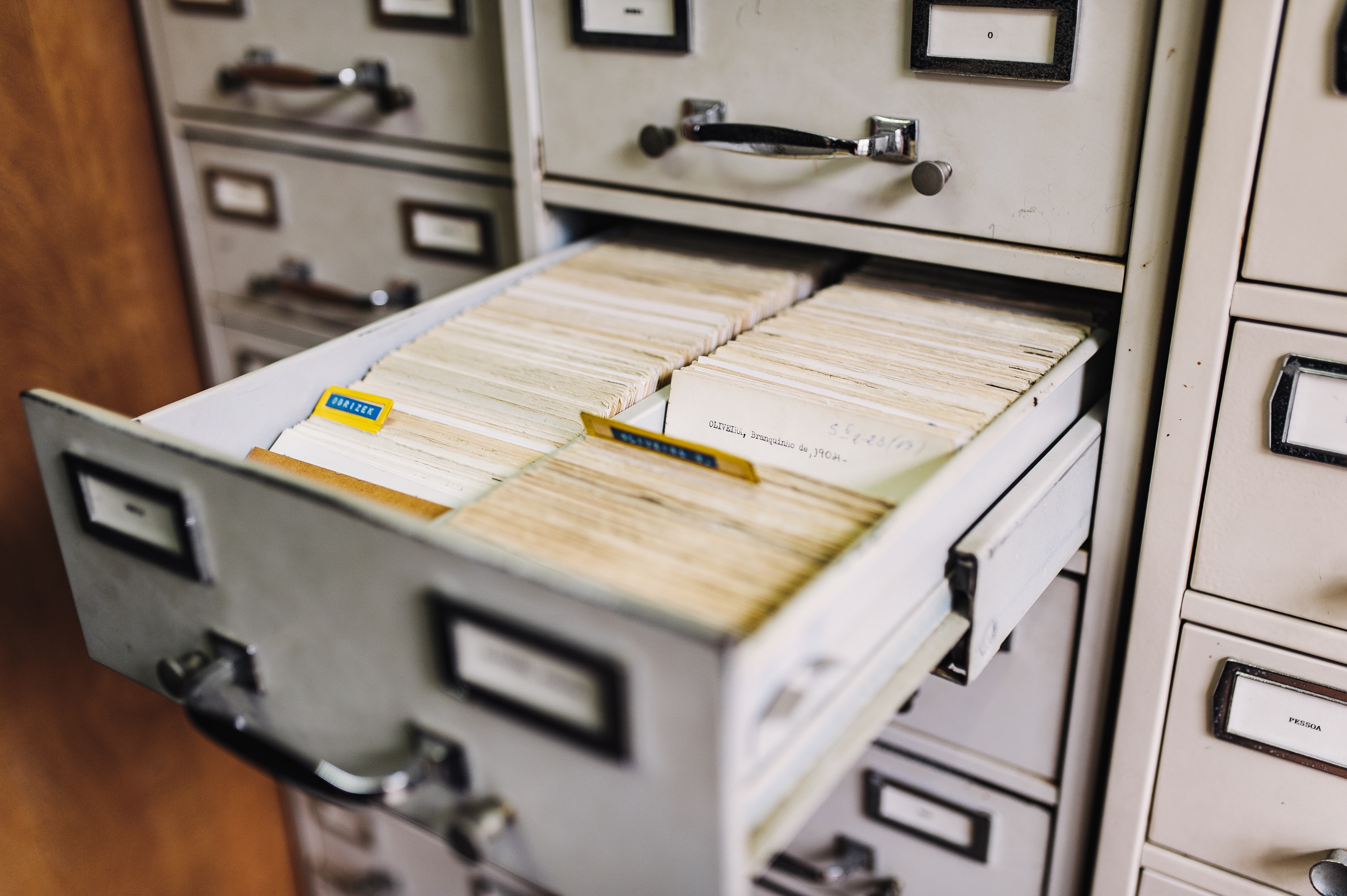
I try to stay organized with my music, but I don’t have a surefire way of keeping track of everything I’ve done. What happens is that as unfinished pieces accumulate I assume that I’ll remember the ones with potential–that they’ll somehow float to top of mind. But my remembering is influenced by what’s in front of me. Unlike a pile of books I can see, the music files on my computer are hidden–like the contents of a filing cabinet you wonder about without ever opening a drawer. So occasionally I open drawers on the computer because I don’t remember anything about those unfinished pieces. In fact, if it weren’t for precise naming and dating (e.g. “Piano Sketch, April 2022” etc) I would barely remember ever having worked on the music. So I open files and listen.
Listening to pieces-in-progress, old and recent, is useful archival work to figure what’s what, what’s worth continuing to work on and finish, and what could be moved on from (for now). In doing this, I’ve discovered a mix of interesting and not so interesting tracks. For example, there’s a bunch of studies I made a few years ago which are chord sequences run through an arpeggiator. There’s some exercises in sound design + improvisation, where I built a pad sound and then immediately improvised with it and recorded the results. (I did Slowdown this way.) There’s the double piano pieces, in which one piano part is echoed by a transposed copy of itself to create counterpoint. I like some of the arpeggiating and pad pieces, while the piano music is a mixed bag. What should I do with this music? How do I know when it’s good enough to use as is, or potentially useful down the road as the basis for something else? (Maybe the MIDI of the piano pieces could be just right with another sound?) In my experience, a piece needs to have some kind of urgency, compellingness, or enchantment to justify continued work on it. By this measure, many of my pieces-in-progress come up short. As Randy Jackson used to say on American Idol when he didn’t want to hurt a pitchy singer’s feelings, I don’t know dawg, I’m just not feeling it right now.
Listening to old track ideas is also an exercise in noticing one’s zig-zagging learning over time. You hear your choices of sounds and textures, structures and moods. You hear your influences and attempts at synthesizing styles (or splitting the differences among them). You hear tracks with too many parts, as if you were afraid of pairing down orchestrations (fewer parts = nowhere for the parts to hide = clearer textures). You hear consistencies too, like go-to timbres, habitual keys, default tempos. Most of all, when you listen to pieces-in-progress you’re confronting your past in your present, as material you just worked on–or so it feels–recedes into the weeks and months and years past. Time is flying. But once in a while, there’s a pause that’s like a gift in the form of a clue: you hear something that sounds neither like you nor the musics you know. This is interesting. What is this?

 brettworks
Leave a comment