
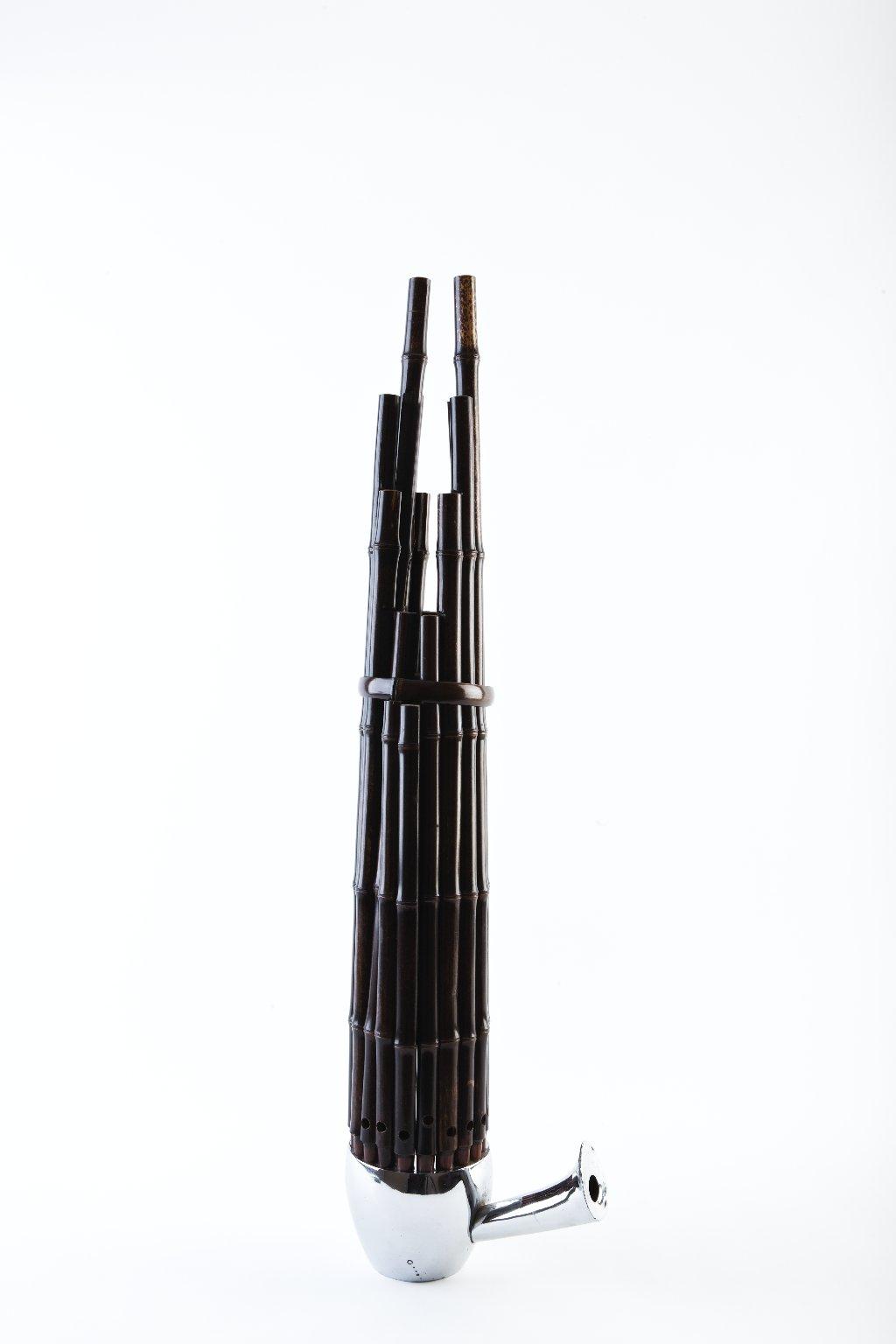
“Some of my favorite moments in musical life come when I can’t yet play an instrument. It’s in the fleeting period of playing without skill that you can hear sounds beyond imagination.”
“In Western countries, the social institutions that kept classical music alive—conservatories, instrument builders, teachers, contests—were being sustained by an influx of stunning musicians from Asia. A kind of cultural trade was taking place.”
“Music operates on a plane separate from literature, and a lot of information about it isn’t written down.”
“I’ve never had an experience with any digital device that comes at all close to those I’ve had with even mediocre acoustic musical instruments. What’s the use of ushering in a new era dominated by digital technology if the objects that that era creates are inferior to pre-digital ones?”
“Physical instruments channel the unrepeatable process of interaction, a quality lost with modern production technology.”
“Computer models are made of abstractions—letters, pixels, files—while acoustic instruments are made of material. The wood in an oud or a violin reflects an old forest, the bodies who played it, and many other things, but in an intrinsic, organic way, transcending abstractions. Physicality got a bad rap in the past. It used to be that the physical was contrasted with the spiritual. But now that we have information technologies, we can see that materiality is mystical. A digital object can be described, while an acoustic one always remains a step beyond us.”
“Music is ambiguous: is it mostly a product to be produced and enjoyed, or is the creation of it the most important thing?”
“Over the years, I’ve toyed with one possible definition of reality: it’s the thing that can’t be perfectly simulated, because it can’t be measured to completion.”
Jaron Lanier, What My Musical Instruments Have Taught Me

 brettworks
Leave a comment