
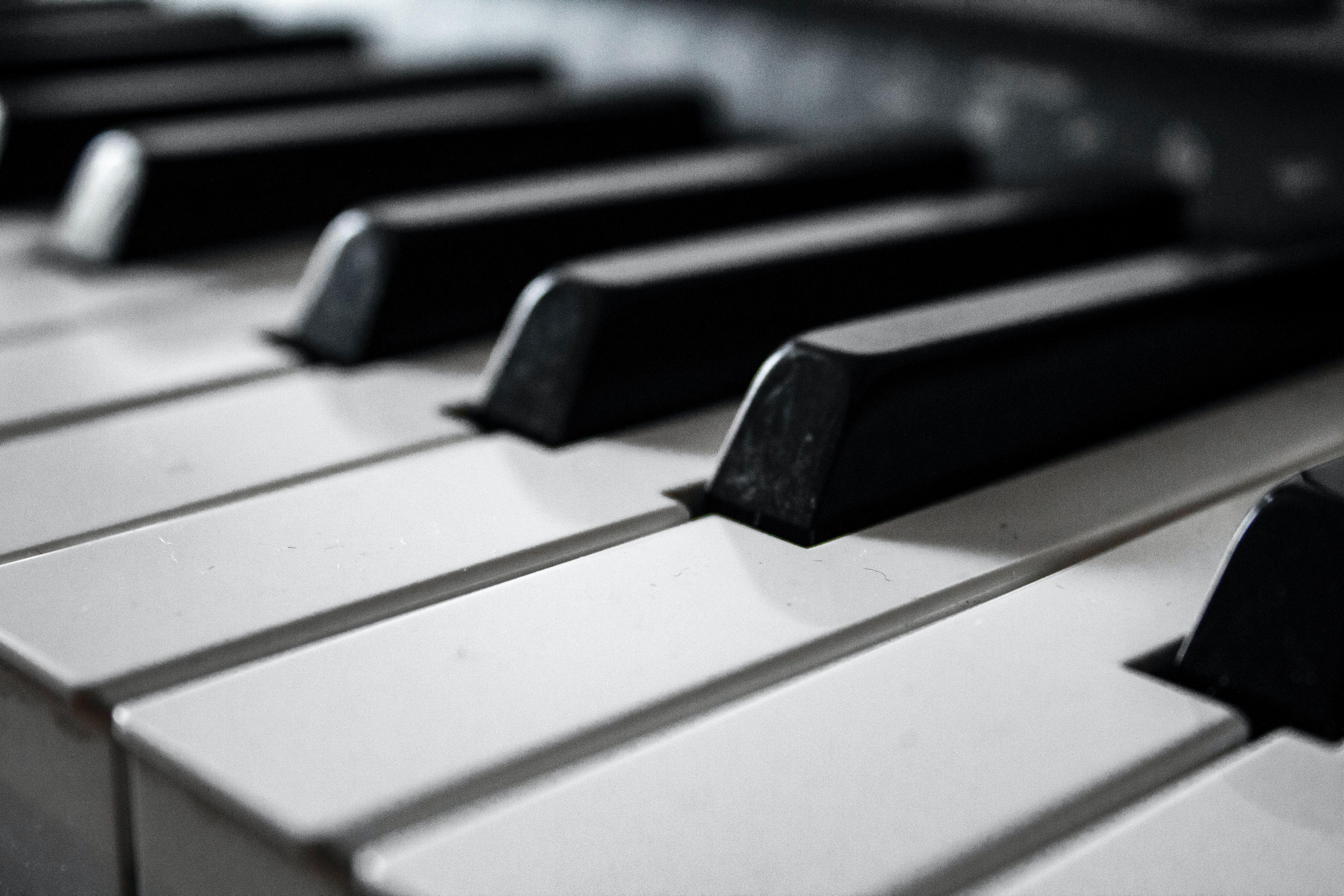
(Photo: Amir Doreh)
While I’m not a particularly skilled piano player, I regularly improvise on the instrument and record the results. Improvising piano is different from producing music, mainly because there’s nowhere to hide–it’s just you at the instrument. There’s one sound, not eight or eighteen. Everything happens in the real time of the performance. And multiple parts aren’t layered and finessed; there’s only what you’re improvising right now (with finesse or not). When I improvise on the piano I catch glimpses of questions about how I can make interesting music:
How do I keep this engaging?
How much repetition is good repetition?
Where do I go with these chords?
Can I turn that blunder I just made into a feature?
Do I have (or need) a melody?
Playing piano is also an opportunity to try out effects processing, one device at a time, to clearly hear what it does to the sound. I’ve tried out different reverbs to hear how the piano sounds in different rooms—from recording studios to silos to cathedrals. I’ve tried delay effects too, which shape how I play: a bit of echo immediately introduces a rhythmic element that I can interact with. Playing a single instrument through reverbs and delays is a way to get to know the sounds of these effects and dial in the “perfect” settings where you feel the effects more than hear them. The litmus test for figuring out these settings is simple: listen to how they sound while playing the instrument. Does the effect inspire me to do things I would not have otherwise tried? Or it distracting from the instrument’s sound?
With or without effects applied to its sound, improvising on the piano re-connects me to the instrument. It reveals my habits, such as the keys I turn to (minor more than major) and the ways my hands like to move (slowly, more often than not). Improvising also celebrates my limitations and proposes that I adapt to them. If a passage is too dexterous to play, I’ll slow down my playing; if I don’t know where to go next I’ll pause and let the notes under the hands ring longer so I have time to both listen to their sound and consider my next phrase. (When in doubt, let the sound ring longer.)
In sum, when I improvise on the piano I’m less interested in instrumental virtuosity and more curious about fundamental qualities of the instrument’s sound that draw me in. My limited technique shapes how I listen, and if I pace the music right there’s lots of time to ask, Where can these chords and resonances go?

 brettworks
Leave a comment