
“What I was beginning to see was that information was meaningless in isolation. Instead, what truly mattered was the relationship between one piece of information and the next. Context…” (59).
“What you wanted, instead, was to encourage new and unexpected relationships between pieces of information to flourish. And, to do that, you had to let the users make those connections, in any way they saw fit” (59).
“With the web, we were at the outset of something major, and we had to design it with the human being first in mind. We had to build a system that gave humans the ability to make links around the world, but one that avoided ensnaring them in dead-end, anti-human materialism, or systems of surveillance, coercion and control. Properly designed, such a system could multiply the links that define us by many orders of magnitude, and open up a new era of creative potential. Computers had never modelled those links before; it just wasn’t the way most computer scientists thought about things. But my background and upbringing suggested to me that there was no technical barrier to building such a system. This, above all, was what got me so excited about the World Wide Web” (81).
“Any code he made, he left a trail of breadcrumbs – links to the things he had found in his quest – for others to follow” (242).
“Social media, as currently built, leads users to take extreme political positions and demonize the opposing side. This makes constructive engagement difficult, allows outlandish conspiracy theories to flourish, and promotes demagoguery over deliberation. Soon, civilized discussion about important issues becomes impossible. Polarization, I fear, might have dire outcomes for humanity, with consequences on a global scale” (274).
“Yuval Harari, author of the books Sapiens and Nexus: ‘If a social media algorithm recommends to people a hate-filled conspiracy theory, this is the fault not of the person who produced the conspiracy theory. It’s the fault of the people who designed and let loose the algorithm’” (277).
“The attention economy, which has unseated legacy media, thrives on grievance narratives, including many absurd ones. This makes building a new online economy centred on intention all the more urgent” (345).
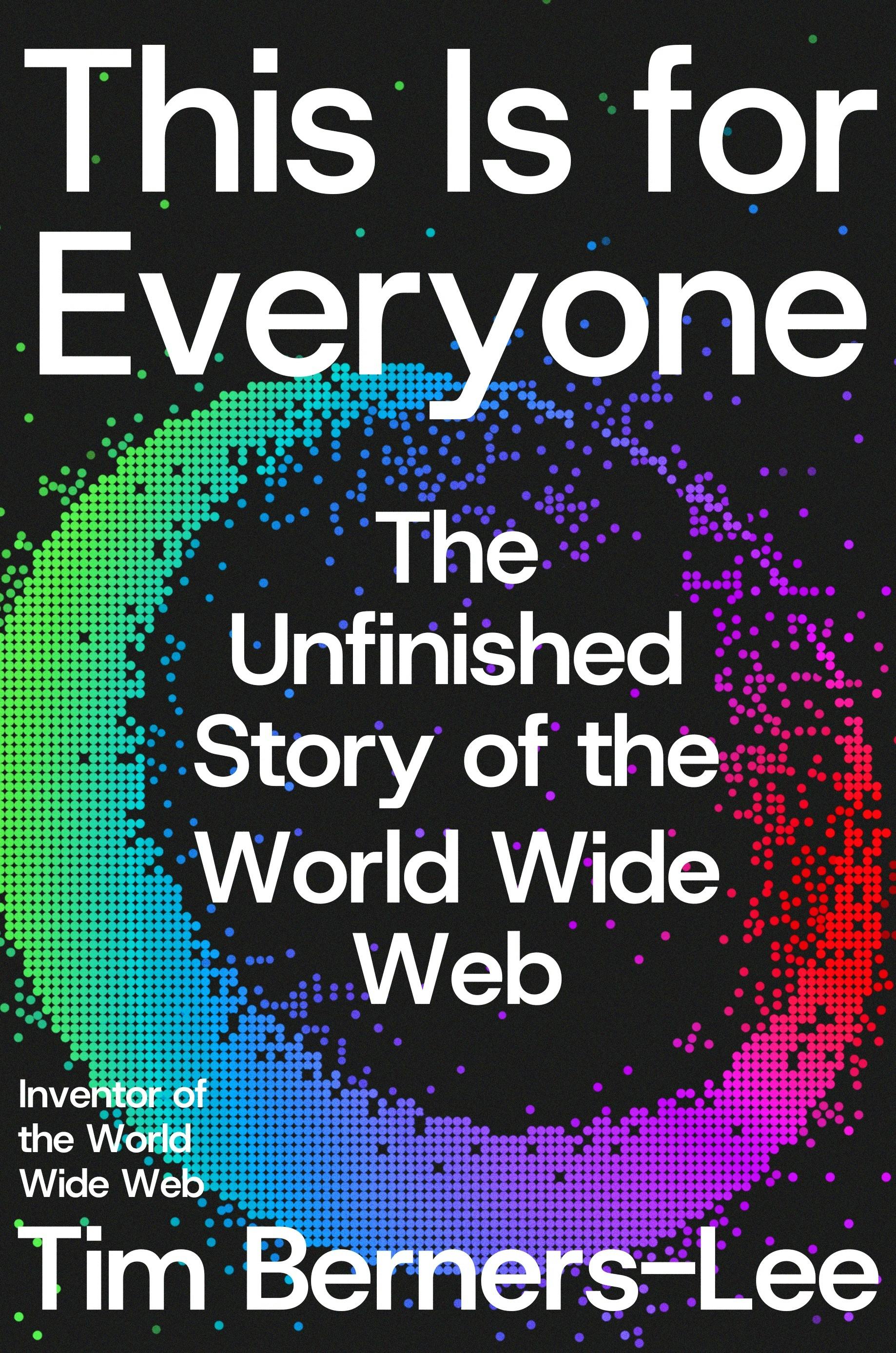
– Tim Berners-Lee, This Is for Everyone: The Unfinished Story of the World Wide Web (2025)

 brettworks
Leave a comment