
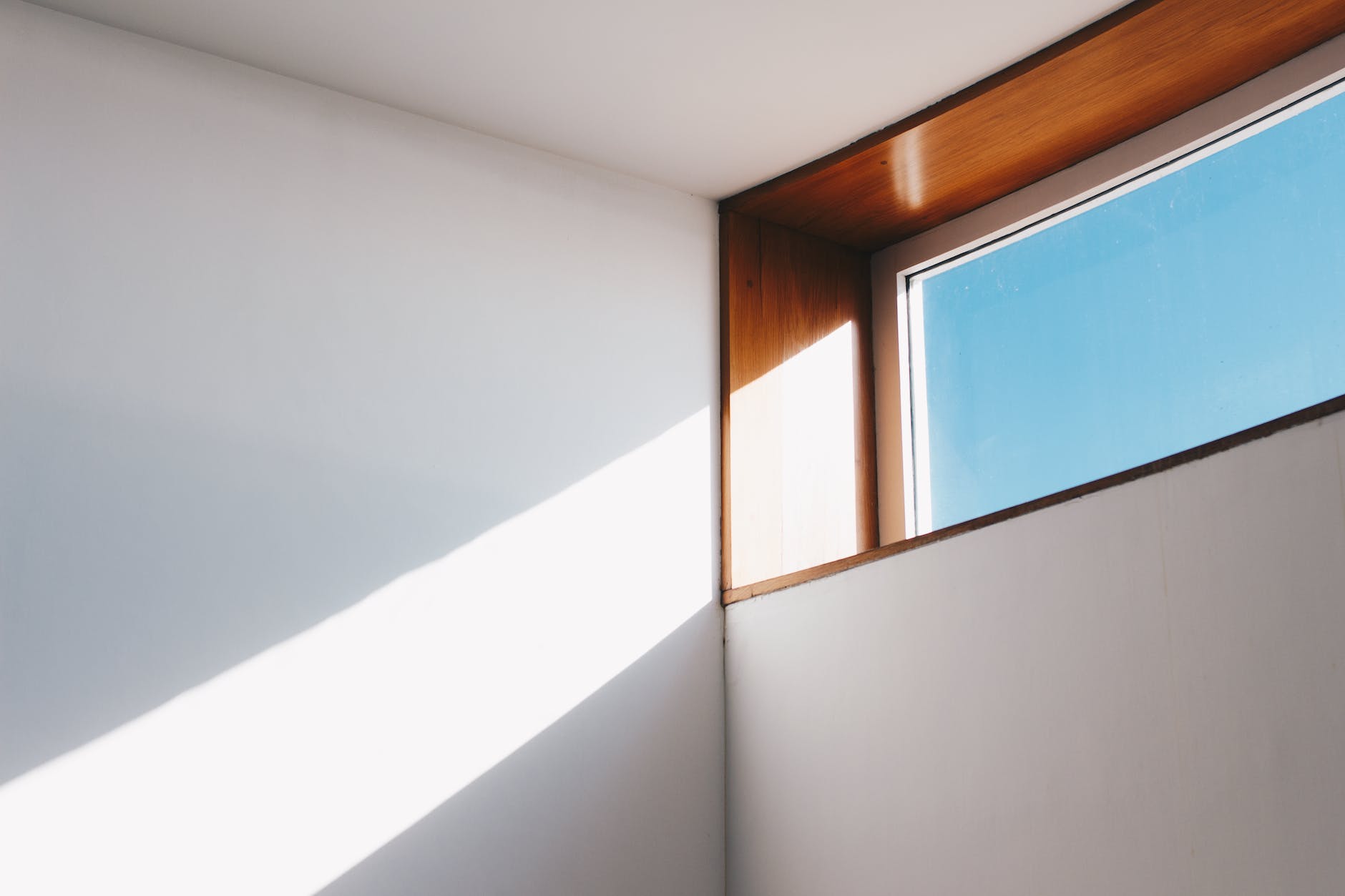
Small windows—the real thing or as metaphor—are inherently poetic. Through them we see only a fragment of the world outside their frame—sunlight streaming in, the building across the street, a stranger passing, an abstract arrangement of sky and cloud. Small windows are inherently minimalist this way, because of how they contain what you notice. As a metaphor for a stolen moment of stillness, small windows are also a productive constraint on the otherwise fluvial timeline of one’s days. A window’s limited time encourages a sustainable intensity which leads to discovery. Here are a few observations.
A small window can never be too small. In fact, the shorter the time the more concentrated my plan. Even five to ten minutes is enough time to overcome inertia and move.
A small window keeps the stakes low. There’s a psychological mechanism at work here: tinkering for a few minutes feels casual and doable, as opposed to setting aside say, two hours, which feels serious and challenging. I’m open to a few minutes turning into an entire morning (it happens), but a low stakes-inspired, casual mindset is my preferred nimble starting point.
A small window makes focus easy, or at least easier. A limited amount of time suggests a sensible goal, like exploring one thing—a sound, an edit, a few chords, a quick listen through. Doing one thing is the opposite of multitasking and, in fact, the definition of focus.
A small window suggests certain kinds of work. I’ll use a few minutes to peruse sounds or click on an effect or instrument that I had forgotten about. If a sound jumps out I stop and play with it. In this moment a yet smaller window of discovery may pop up. It’s a loop of playing-listening-thinking-trying things out, waiting for wonder.
A small window invites small forms. A few minutes of fiddling around is enough to organize a part, build an interaction, set up a contrast, automate a filter, or record a little something. Maybe this could be the entire piece?


Leave a comment