
In our understandings and explanations of musical practice it’s the missing things that are most important. Too often when I write I don’t write about but around these things—busily explaining that which is extrinsic, not intrinsic, to the mysteries that underlie making music. We ask: What are your influences? What’s your favorite gear? How do you like to work? But answers to these questions tell us little about the emotional equations and life circumstances powering the musician. Our questions miss the missing things—such as that the musician is trying to work something out in sound, trying to get closer to an ineffable, trying to make sense of her true taste, trying to design for design’s sake, trying to be one with the moment and the season, trying to express with the help of an instrument and its sounds.
Equally from the musician’s point of view there are so many unanswered questions about musical practice. For instance, no one ever tells you why you like this instrument more than the rest, why these kinds of sounds speak to you louder than others, that your way of working will only reveal itself in time, how to recognize Quality in an instant, or why it is that a musician’s sound is as significant and discernible as their personality. There are no hacks for knowing music, only a slow accumulation of imperfect experience that is yours alone.
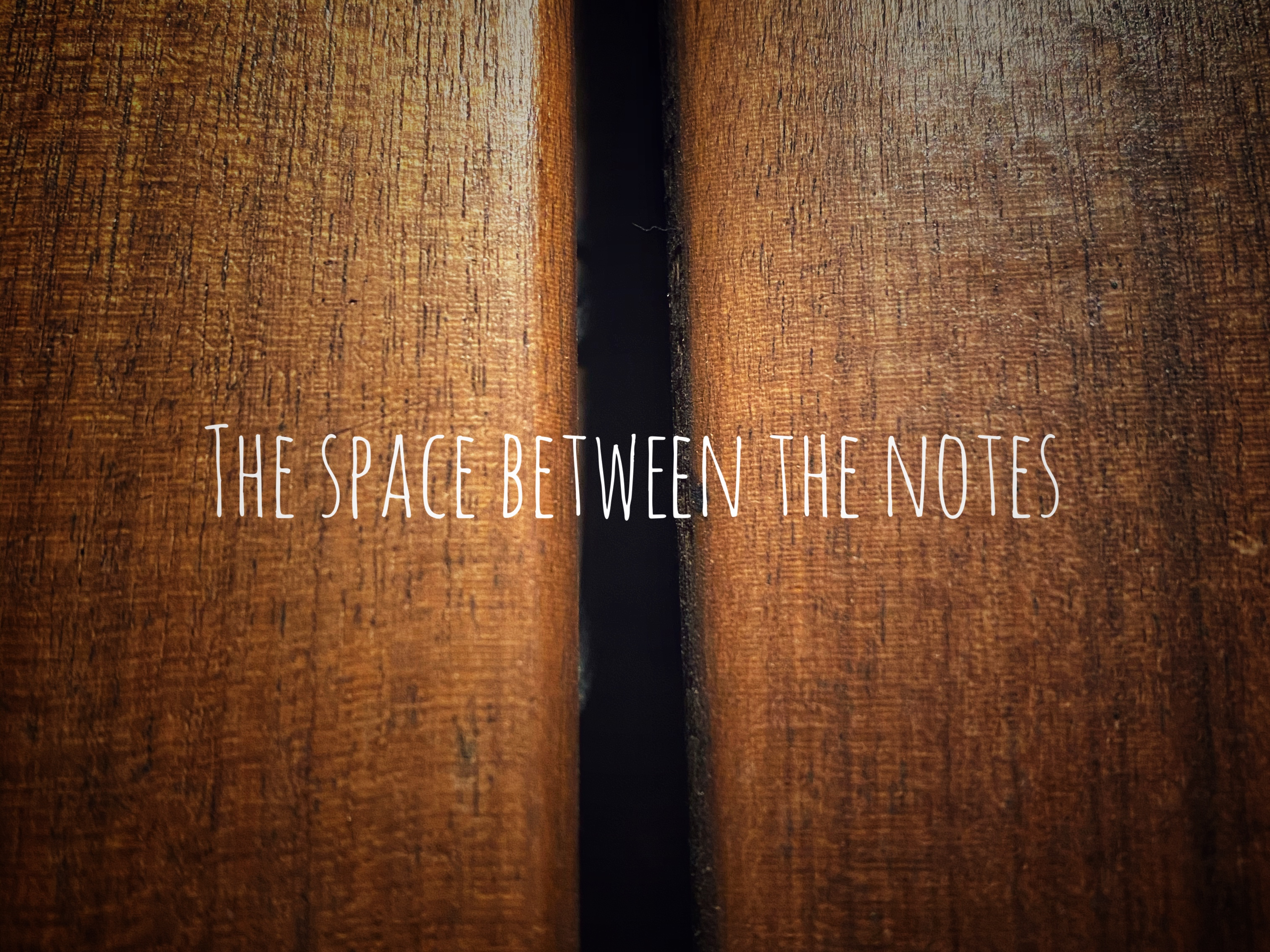
So: listen for lacunae in musical practice or what Debussy called the space between the notes. Listen for the unfilled gaps, the unplayed rhythms, parts implied not sounded, the things musicians don’t say (but do), the ghost notes, the non-cadences, the unsung, the withholding hinting at what could have been, the negative spaces that connect artistic action with a feeling.


 brettworks
Leave a reply to Thomas Brett Cancel reply