
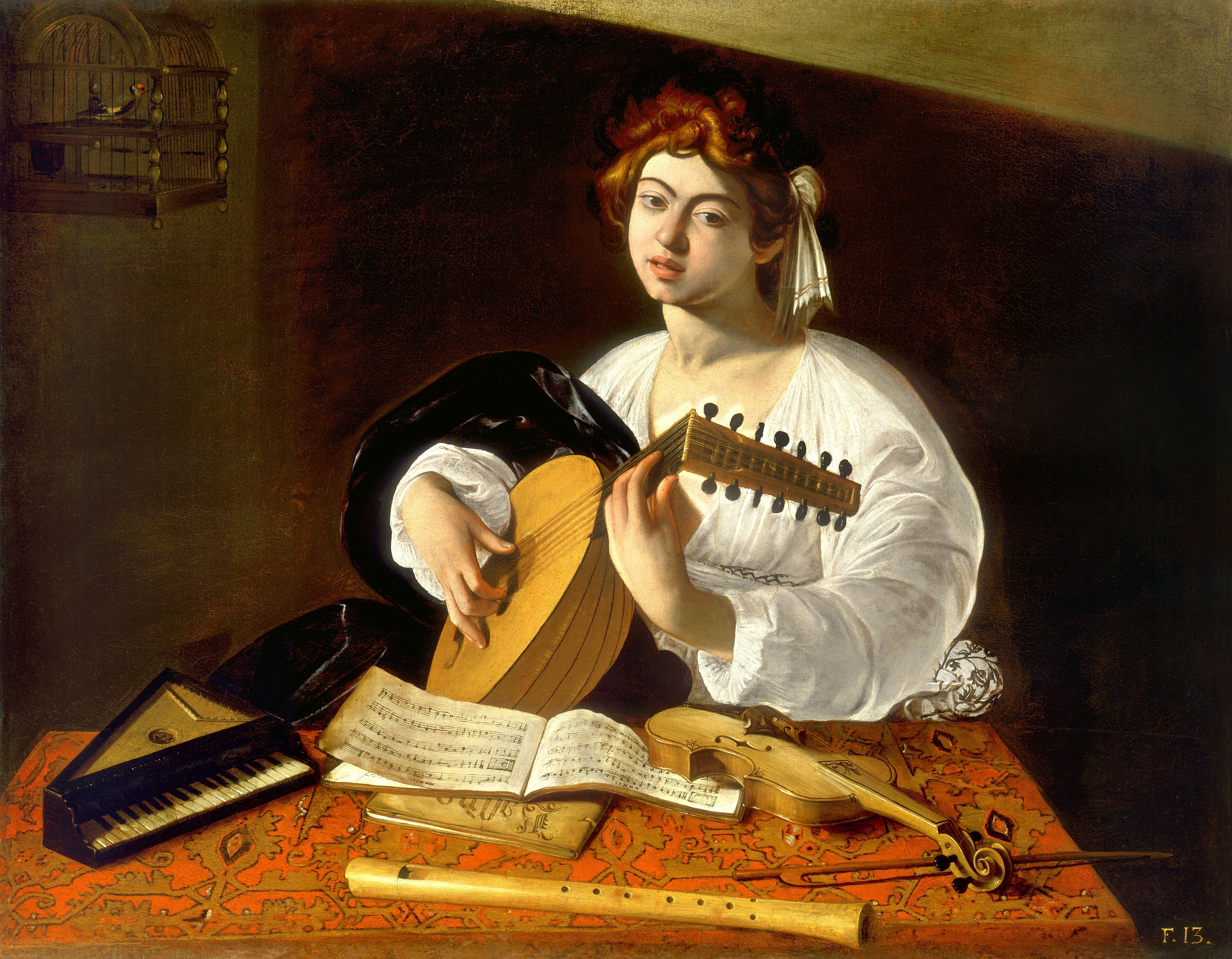
Caravaggio, The Lute Player (1596)
A reoccurring feeling I have when trying to make music is the sinking recognition that I don’t have enough at hand to make it. Enough of what, exactly? Aptitude or technique? A meaningful sound set? Inspiration? An audience? A style context in which the music could make sense and find friends? If I were to think about these questions too much, I’d stop before I’d begun.
One way to get going is to cultivate a relationship with one’s materials that feels vital, that has a sense of urgency and intrigue. Interesting and surprising things always emerge when you’re curious to learn more about the grain of what you’re working with. I use many different virtual instruments, but periodically I’ll obsessively zoom in on a single sound or parameter to try to get to know it. For instance, with a drum sound I might look for ways to warp it inside the instrument rather than applying external processing (e.g. an effects chain). Or when I’m finding chords, I limit their notes to just three (a triad) so I have fewer permutations to explore on my mini keyboard. The idea is that interesting sounds are (1) always close at hand, (2) simply made, and (3) the result of getting to know a way of interacting.
The only obstacle to having a meaningful relationship with your materials is not trusting that your idiosyncratic take on things is enough. Whether you’re improvising with others or composing alone, making music is accepting that sounds are as peculiar as you are, and that music will only ever partially do what you hoped it would, perhaps because it reflects your beautifully imperfect life (as opposed to AI music’s grotesque, uncanny valley simulated one). The timeline of every musical experience sort of maps to your own timeline, telling a story about aiming and missing, crafting and micro-failing, imagining and settling. Your music is the process by which something surprising emerges.


Leave a comment